
Wine Tasting Adventure
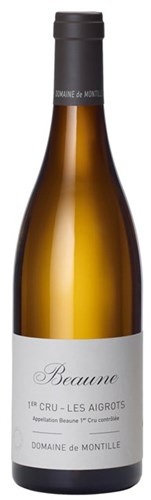
2022 Domaine de Montille, Beaune 1er Cru `Les Aigrots` - Liberty
- Regular price
- £109.99 GBP
- Regular price
-
- Sale price
- £109.99 GBP
- Unit price
- per
Couldn't load pickup availability
Founded in the mid-18th century, Domaine de Montille is one of the Côte d’Or’s most historic, family-operated estates and an early advocate of domaine-bottling. It is currently run by ninth-generation winemaker Etienne de Montille, who, alongside his father Hubert, has ensured the domaine’s reputation for quality endures today.
Prior to Hubert de Montille’s 50-year tenure, the family sold their vineyards in Musigny, Bonnes Mares and Chambolle-Musigny, shrinking Domaine de Montille from 12 to just 2.5 hectares. Hubert focused on restoring these vineyard holdings, a practice Etienne has since continued. As a result, the domaine now owns 37 hectares of vines across 35 appellations in the Côte de Beaune and Côte de Nuits. These include some remarkable sites, such as Puligny-Montrachet 1er Cru `Le Cailleret`, which sits next to ‘Le Montrachet’ Grand Cru, and Vosne-Romanée 1er Cru `Aux Malconsorts’, next to Domaine de la Romani-Conti’s Grand Cru ‘La Tâche’. Etienne was an early advocate of organic farming which he introduced to the domaine’s vineyards in 1995. Biodynamic practices followed in 2005, and the domaine received ‘Ecocert Bio’ certification in 2012.
Before taking over the domaine, Etienne studied oenology and worked as Hubert’s apprentice. Today, he works closely with American-born chef de cave Brian Sieve, who has been with the domaine for over a decade. Together they make wines that are aromatic, supple, and approachable in their youth, yet still offer the impressive capacity for ageing for which Hubert was renowned.
There is no set winemaking recipe at Domaine de Montille. Instead, Etienne and Brian respond to the nuanced characteristics of each vintage. In the red wines, this usually translates to whole-bunch fermentation, ranging from 50% to 100%, though destemming is used when deemed preferable. Macerations last 12 – 16 days, with twice-daily punch downs and judicious use of new French oak, usually 30% or less. In the best vintages, up to 50% new oak is used for the top cuvées.
For the white wines, grapes tend to be picked early to preserve freshness. Ageing takes place in a mix of 228 and 600-litre oak barrels (with little to no bâtonnage) to add texture and complexity. As with the reds, new oak is used sparingly and usually comprises no more than 20 – 25% of the blend. The wines are aged on lees in barrels for 11 – 12 months, before ageing in tank for five to six months before bottling.
Though widely acclaimed for their 1er and Grand Cru wines, Domaine de Montille also produces remarkable Bourgogne Blanc and Rouge. Their Bourgogne Blanc is made by blending younger vines (10 to 20 years old) from their Puligny-Montrachet village sites and ‘Clos du Château de Puligny-Montrachet’. Fermented and then aged for 11 months in a combination of 228-litre and 600-litre French oak barrels, 20% new, this wine perfectly marries a crisp lemon fruit character with a lovely toastiness. The Bourgogne Rouge blends fruit from a Volnay parcel and rare Pinot Noir plots located in Puligny. 33% whole bunch in the ferment produces a delightfully elegant wine with crunchy red fruit character and velvety tannins.
Share